Real-Time Appointment Scheduling: AI Solutions for Modern Healthcare
At 10:32 PM on a Sunday, Mrs. Tan felt a lump in her breast during a self-exam. She didn't want to wait until Monday to start worrying. She wanted answers.
She opened WhatsApp and messaged her hospital.
"I found a lump during self-exam. I need to see a doctor about this."
Eleven seconds later:
"I'm sorry to hear you're concerned—that's always stressful. For a breast examination, our Women's Health team would be best. Dr. Lim has availability Monday at 9 AM or Tuesday at 11 AM. Would either work for you?"
By 10:35 PM, Mrs. Tan had an appointment. She received confirmation, clinic location, and what to expect during the exam. She went to bed knowing she was booked.
On Monday morning, she was the first patient Dr. Lim saw. The lump turned out to be benign.
This is what real-time scheduling means. Not "real-time" as in "fast for business hours." Real-time as in whenever patients need it.
The Scheduling Experience Patients Hate
Let's be honest about current scheduling:
Step 1: Patient calls during their lunch break (the only time they can call during work hours).
Step 2: They wait on hold for 8 minutes average, listening to recorded messages about "how important their call is."
Step 3: They finally connect with a scheduler who asks them to hold again while pulling up availability.
Step 4: The suggested times don't work. They negotiate. Finally find a slot.
Step 5: They receive no confirmation for hours. They have to call again to verify it was actually booked.
Total time: 15-25 minutes. Experience rating: terrible.
Now compare to what AI scheduling looks like:
Step 1: Patient sends WhatsApp message at any hour.
Step 2: AI responds in seconds with available slots.
Step 3: Patient picks one.
Step 4: Done. Confirmation, calendar invite, prep instructions—all delivered immediately.
Total time: 2-3 minutes. Experience rating: excellent.
Why Most "Online Scheduling" Fails
Many hospitals claim to offer online scheduling. Most of it doesn't actually work.
Problem 1: Not real-time
Patient sees a slot listed as available. They select it. Error: "This slot is no longer available." They try another. Same error. Frustrated, they call the clinic.
Why? The "real-time" system syncs every 15 minutes. Or hourly. Or overnight. By the time patients see availability, it's already stale.
True real-time means bidirectional sync with sub-second latency. When a slot is booked or cancelled in the HIS, the patient-facing system reflects it immediately.
Problem 2: Limited appointment types
Patient can book a "General Consultation" online. But their actual need is a "Pre-surgical Assessment for Knee Replacement." The online system doesn't have that option. They have to call.
Good AI scheduling handles complex appointment types by understanding what patients actually need—not just presenting a dropdown of generic options.
Problem 3: No intelligence
Traditional systems show a grid of times. Pick one. That's it.
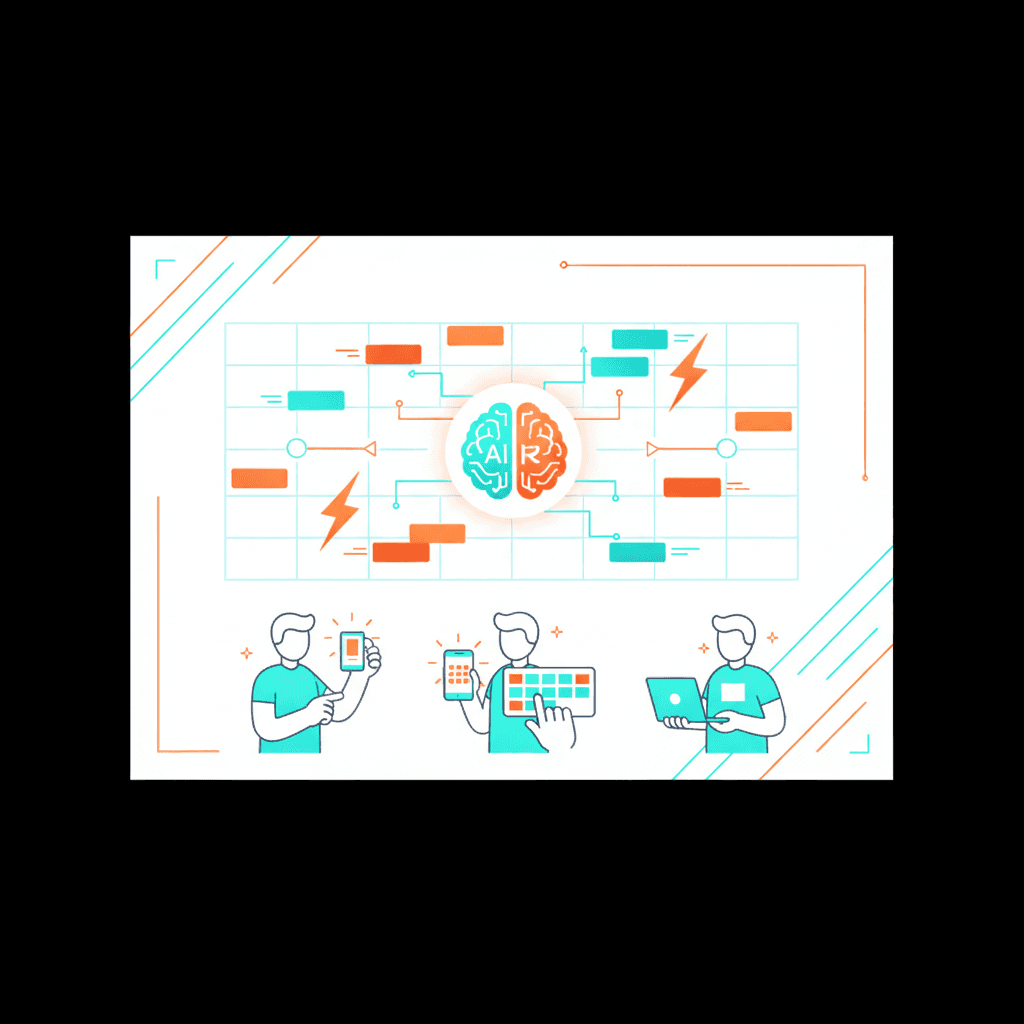
AI scheduling asks relevant questions, recommends appropriate providers, considers the patient's history, and optimizes schedules—not just for patients, but for the organization.
What True Real-Time AI Scheduling Looks Like
A Real Conversation
Patient sends WhatsApp message:
"Hi, I need to see someone about my knee. It's been hurting for two weeks and getting worse."
AI responds (15 seconds):
"I'm sorry to hear about your knee pain. For persistent joint pain, I'd recommend our orthopedic team.
Quick question: Have you seen anyone about this before, or is this a new issue for you?"
Patient:
"New issue"
AI:
"Got it. For a new orthopedic evaluation, Dr. Wong has availability:
- Tomorrow (Tuesday) at 3:30 PM
- Thursday at 10:00 AM
- Friday at 2:00 PM
Which works best for your schedule?"
Patient:
"Thursday morning"
AI:
"You're confirmed with Dr. Wong on Thursday, November 14th at 10:00 AM for an orthopedic evaluation.
📍 Orthopedic Clinic, Level 4, Tower B
Please arrive 15 minutes early for registration. Bring any previous X-rays if you have them.
I'll send you a reminder on Wednesday. Is there anything else I can help with?"
Three minutes. Intelligent matching. Confirmed appointment. Preparation instructions. Done.
Behind the Scenes
What the AI actually did in those three minutes:
- Identified intent: Knee pain → orthopedic referral
- Gathered context: New issue vs. follow-up (determines appointment type)
- Checked real-time availability: Pulled live data from HIS
- Applied scheduling rules: New patient orthopedic evaluation = 30 minutes, specific rooms
- Recommended provider: Dr. Wong specializes in joint issues
- Booked appointment: Wrote directly to scheduling system
- Generated confirmation: With location, timing, prep instructions
- Scheduled reminders: Automatic follow-up configured
That's not a simple booking widget. That's an intelligent scheduling agent.
The Waitlist Revolution
Here's where AI scheduling gets really powerful.
Scenario: Patient wants an appointment with their preferred surgeon, but nothing is available for 3 weeks.
AI:
"Dr. Chen's next available is December 4th. However, I can add you to her waitlist. If an earlier slot opens up, I'll notify you immediately and you can confirm with one tap.
Would you like to:
- Book December 4th
- Join the waitlist
- See another orthopedic surgeon sooner?"
Patient joins the waitlist.
Two days later, at 7:43 AM:
Another patient cancels their Thursday appointment.
AI instantly messages the waitlisted patient:
"Good news! An appointment just opened with Dr. Chen on Thursday at 11 AM. Would you like this slot? Reply YES to confirm, or NO to stay on the waitlist.
(This slot will be offered to others if not confirmed within 10 minutes.)"
Patient replies: "YES"
AI:
"Confirmed! You're now booked with Dr. Chen on Thursday, November 16th at 11 AM. Your waitlist position has been released. I'll send prep instructions shortly."
Slot filled. Patient happy. Zero staff involvement.
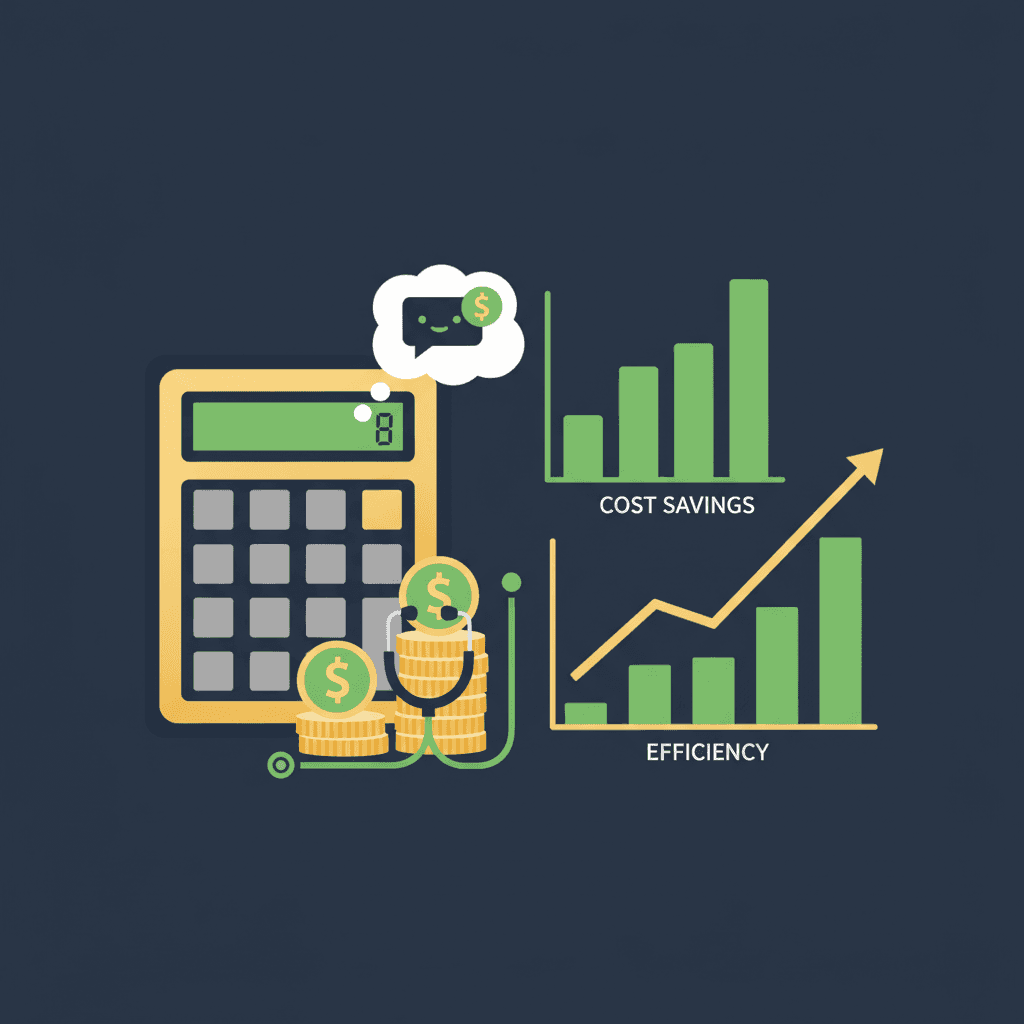
The Numbers That Matter
After implementing AI scheduling, hospitals typically see:
| Metric | Before | After |
|---|---|---|
| Average booking time | 15+ minutes | <3 minutes |
| After-hours bookings | 0 | 35-40% of total |
| Schedule utilization | 75-80% | 90-95% |
| Cancellation fill rate | 20-30% | 70-85% |
| Patient satisfaction | 72 NPS | 88+ NPS |
| Call volume | Baseline | -40% |
The revenue math is straightforward:
- 1,000 cancelled appointments/month
- 70% filled via AI waitlist (vs. 25% manual)
- 450 additional appointments recovered
- Average value: $180
- Monthly revenue recovered: $81,000
Plus the operational savings from reduced call center burden.
Implementation: What's Actually Required
Let me be realistic about what AI scheduling needs:
Integration Requirements
Must have:
- Real-time connection to scheduling system
- Patient demographics access
- Appointment type configurations
- Provider availability rules
Should have:
- EMR integration (for patient history context)
- Insurance verification
- Multi-location support
- Calendar sync (Google Calendar, Outlook)
Timeline Reality
Week 1-2: Integration setup, configuration Week 3-4: Testing, staff training, soft launch Month 2: Full deployment, optimization Month 3+: Expansion, advanced features
Common Challenges
Challenge: Provider resistance ("I don't want AI controlling my schedule")
Solution: Providers set their own rules. AI follows them. Providers can always override. Show them how AI actually reduces chaotic schedules, not creates them.
Challenge: Complex appointment types
Solution: Start with common, straightforward types. Add complexity gradually. Some types may always need human scheduling—that's fine.
Challenge: Patient adoption
Solution: Most patients prefer messaging to phone calls. Adoption is usually faster than expected. The 65+ demographic often surprises people with how quickly they embrace WhatsApp booking.
The Scheduling Stack
Here's what a complete AI scheduling solution includes:
Patient Interface:
- WhatsApp Business API
- SMS fallback
- Web booking widget
- Voice option (phone/IVR)
AI Layer:
- Natural language understanding
- Intent classification
- Conversation management
- Multi-language support
Scheduling Engine:
- Real-time availability
- Rules processing
- Conflict prevention
- Optimization algorithms
Integration Layer:
- HIS/EMR connectors
- Calendar synchronization
- Notification services
- Analytics pipeline
Bot MD provides all of this as an integrated platform—not pieces you have to assemble yourself.
Your Patients Are Waiting (Literally)
Right now, while you read this:
- A patient is on hold trying to book an appointment
- Someone is giving up and going to a competitor
- A cancellation is creating an empty slot that won't be filled
- Your call center is drowning in scheduling calls
Every day without real-time AI scheduling is:
- Lost revenue from unfilled slots
- Lost patients to faster responders
- Wasted staff time on repetitive calls
- Poor patient experience hurting your reputation
Ready to Transform Scheduling?
Bot MD provides comprehensive AI-powered scheduling that:
- Works 24/7—whenever patients need to book
- Integrates with your HIS—real-time, bidirectional
- Handles complexity—appointment types, provider matching, resources
- Optimizes schedules—waitlists, reminders, preparation
- Scales effortlessly—from single clinic to health system
Book a demo to see real-time AI scheduling in action. We'll show you exactly how it works with your systems and what results hospitals like yours have achieved.
Mrs. Tan didn't have to wait until Monday to get her appointment. Neither should your patients.