Hospital Operations8 min read

Pre-Admission Automation: How Hospitals Reduce No-Shows by 30%

No-shows cost hospitals millions annually. Discover how pre-admission automation dramatically reduces missed appointments while improving patient outcomes.

B

Bot MD Team

Healthcare AI Experts January 2, 2026

Pre-AdmissionNo-Show ReductionHospital AutomationSurgery Scheduling
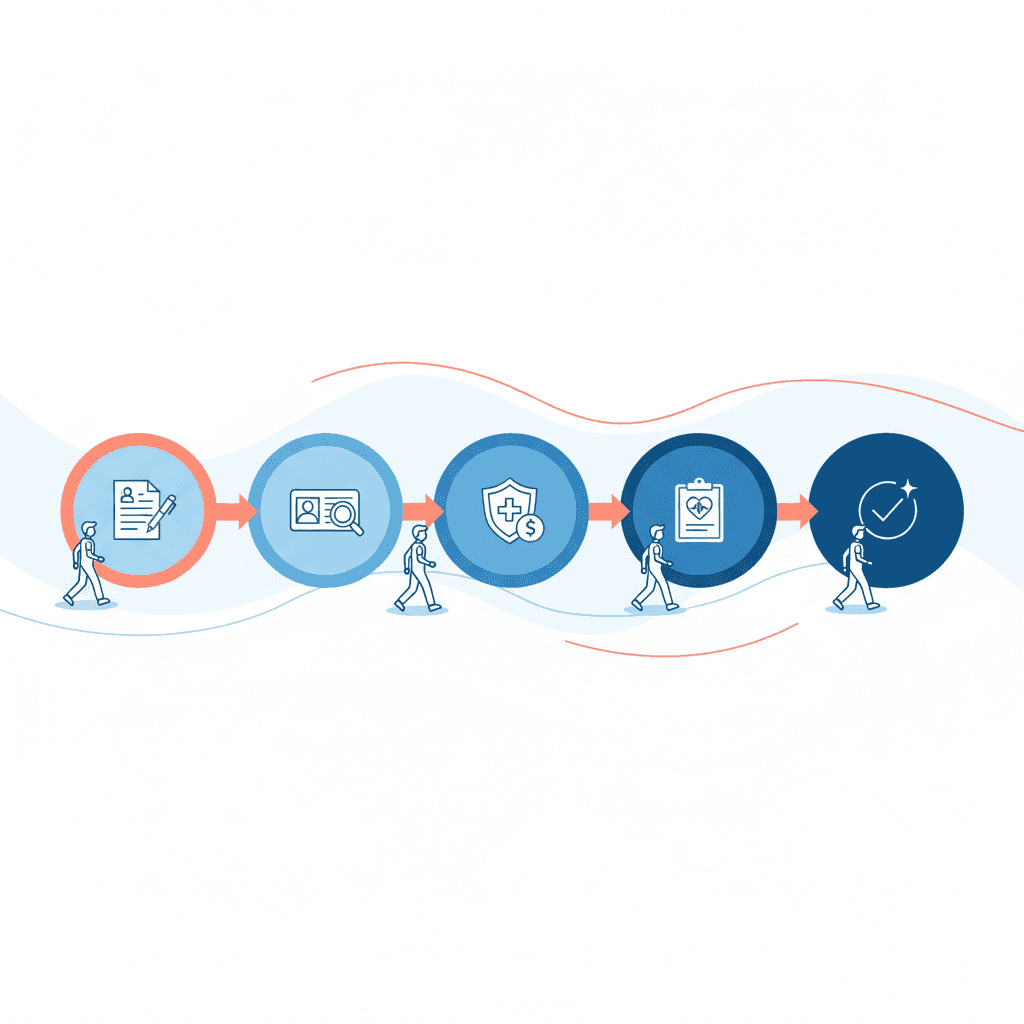
Pre-admission automation workflow diagram

Pre-Admission Automation: How Hospitals Reduce No-Shows by 30%

It was 7:45 AM on a Tuesday when Dr. Razak realized his entire morning was about to fall apart.

Three patients scheduled for his orthopedic clinic hadn't shown up. Two more called to cancel at the last minute—one hadn't fasted, the other couldn't find parking. His surgical slot at 2 PM? The patient simply forgot.

"That's $15,000 in lost revenue," his clinic manager calculated later. "Just from this morning."

This wasn't a particularly bad day. It was a typical day. And that's the problem hospitals across Asia face every single morning.

The $4.7 Million Problem Nobody Wants to Talk About

Here's a number that should keep hospital CFOs awake at night: the average 300-bed hospital loses $4.7 million annually to no-shows and last-minute cancellations.

But the financial loss is just the beginning.

When Mrs. Siti doesn't show up for her cardiology appointment, that's not just a lost revenue slot. It's a cardiologist who spent time preparing. It's a nurse who could have been helping other patients. It's a diabetic waiting an extra three weeks for an appointment that could have been Mrs. Siti's empty slot.

And here's the cruel irony: Mrs. Siti probably wanted to come. She just forgot. Or got confused about the preparation instructions. Or couldn't remember what time to arrive. Or life simply got in the way.

The problem isn't that patients don't care. It's that hospitals don't have systems to help patients succeed.

The Text Message That Changed Everything

Parkway Pantai was facing a 23% no-show rate in their surgical units. OR time was being wasted. Surgeons were frustrated. Patients waiting for surgery were being pushed back.

Then they tried something different.

Instead of relying on a single phone call reminder (which 40% of patients never answered), they implemented a simple pre-admission automation sequence via WhatsApp:

Day of Booking: "Hi Mrs. Tan! Your knee replacement surgery is confirmed for March 15th at 8 AM with Dr. Wong. Reply YES to confirm or HELP if you have questions."

7 Days Before: "Your surgery is in one week! Here's your preparation checklist: [link]. Please review and complete your pre-op forms by replying START."

3 Days Before: "Important: Start fasting instructions on March 14th. Stop taking aspirin now. Questions? Reply HELP to speak with a nurse."

1 Day Before: "Tomorrow's the day! Arrive at Block B, Level 3 by 6:30 AM. Remember: no food or water after midnight. You've got this!"

Morning Of: "Good morning! We're ready for you. Here's the fastest route from your location: [map link]. See you soon."

The results stunned everyone:

  • No-show rate dropped from 23% to 9%
  • Pre-operative compliance reached 97% (up from 72%)
  • Day-of cancellations fell by 60%
  • $1.2 million in annual revenue recovered

But the numbers don't capture the human impact.

"Patients told us they felt cared for," the surgical director recalls. "They said things like, 'It felt like someone was thinking about me.' One patient said she was less nervous about surgery because the messages made her feel prepared."

Why Traditional Reminders Fail

If appointment reminders worked, you wouldn't be reading this article. But they don't work—at least not the way most hospitals do them.

The Phone Call Problem

Your call center staff probably spend hours every day making reminder calls. Maybe 60% of patients answer. Of those, half are distracted and forget the details immediately. The rest let it go to voicemail—and who checks voicemail anymore?

Cost per successful reminder call: approximately $4.50. Effectiveness: questionable at best.

The Email Black Hole

Open rates for hospital emails hover around 15-20%. That means 80% of patients never even see your reminder. And of those who do, how many actually read past the subject line?

The One-and-Done Mistake

A single reminder, no matter how it's delivered, isn't enough. Life is busy. Instructions are forgotten. Anxiety clouds memory. Patients need multiple touchpoints, delivered at the right moments, through channels they actually use.

The Anatomy of a Perfect Pre-Admission Journey

Let me walk you through what modern pre-admission automation actually looks like—not from the hospital's perspective, but from the patient's.

Maria's Knee Replacement Journey

Week 1: The Booking

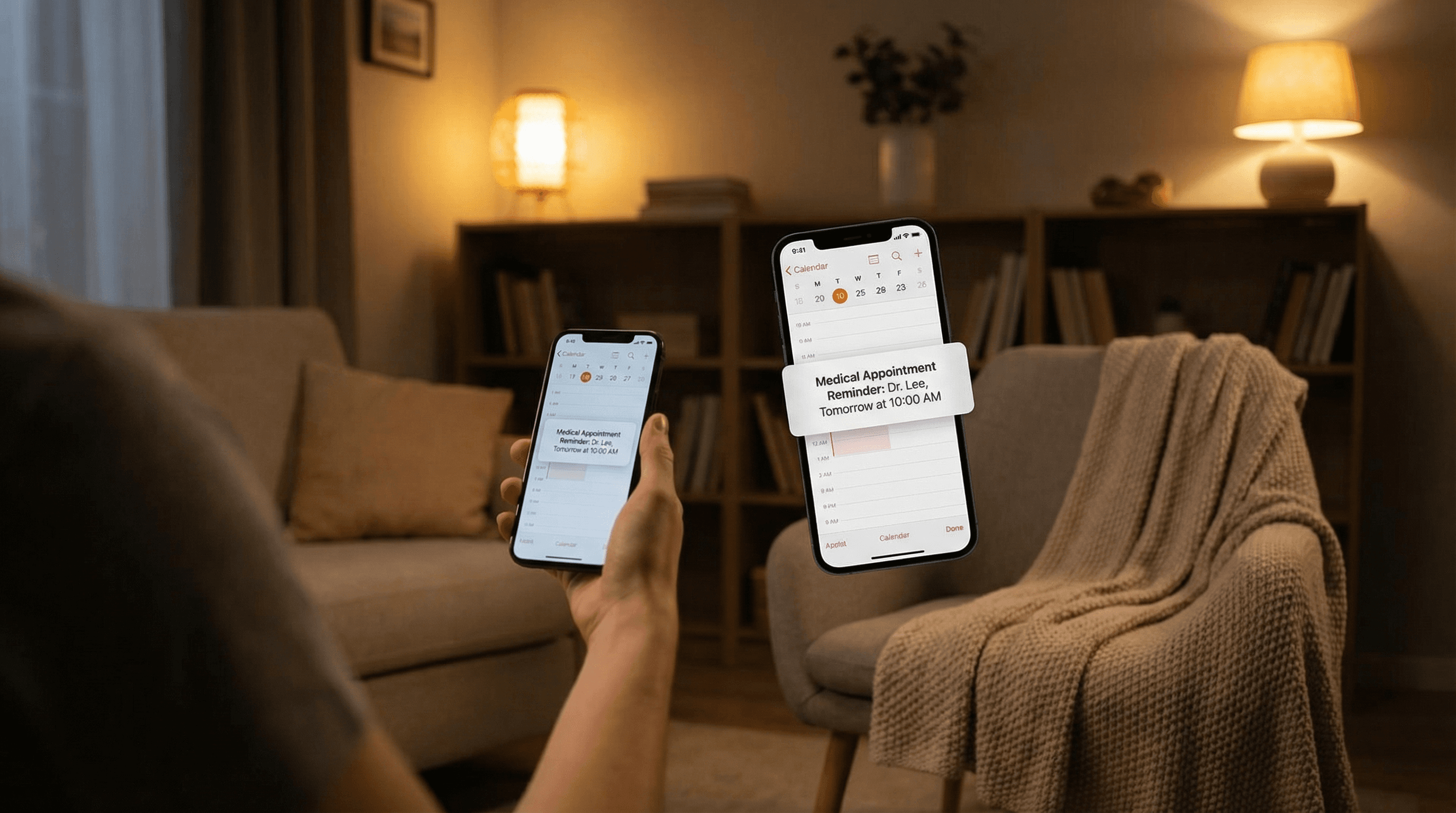
Maria, 62, books her knee replacement surgery. Within minutes, her phone buzzes:

"Hi Maria! Great news—your surgery with Dr. Tan is confirmed for April 10th at Gleneagles Hospital. Here's everything you need to know in one place: [link to patient portal]. Any questions? Just reply here—I'm always available."

Maria taps the link, sees a clear timeline of what happens next, and feels a wave of relief. She knows what to expect.

Day 14: The Preparation Begins

"Hi Maria! Two weeks until your surgery. Let's make sure you're ready. First step: complete your health questionnaire (takes 5 minutes): [link]. This helps Dr. Tan plan the best approach for you."

Maria completes the questionnaire on her phone while watching TV. Easy.

Day 7: The Checklist

"One week to go! Here's your preparation checklist: ✅ Stop aspirin and blood thinners (starting today) ✅ Arrange someone to drive you home ✅ Prepare loose, comfortable clothing ✅ Review fasting instructions: [link] Got questions? Reply HELP."

Maria realizes she needs to arrange a ride home. She texts her daughter.

Day 3: The Final Prep

"Hi Maria! Important reminders for your surgery on Thursday: 🍽️ No solid food after midnight Wednesday 💧 Clear liquids only until 6 AM Thursday 💊 Take your morning medications with small sip of water Need to reschedule? Reply RESCHEDULE. Questions? Reply HELP."

Day 1: The Reassurance

"Tomorrow's the day, Maria! You're well-prepared and in excellent hands. Quick reminder: ⏰ Arrive by 6:00 AM 📍 Tower B, Level 5, Admissions Desk 🅿️ Use Parking Lot B (here's the map: [link]) We'll take great care of you. See you tomorrow!"

Morning Of: The Guide

"Good morning, Maria! Here's the fastest route to the hospital from your location: [dynamic map link]. Traffic is light—you should arrive in 22 minutes. We're ready and excited to help you get back to doing what you love. 💪"

Maria arrives prepared, calm, and confident. The surgery goes smoothly. Three months later, she's walking her grandchildren to school without pain for the first time in years.

The Technology Behind the Magic

This level of personalized, responsive communication isn't possible with manual processes. Here's what powers modern pre-admission automation:

Integration With Your Scheduling System

The AI knows exactly when appointments are booked, what type of procedure it is, and which preparation protocol applies. No manual input required.

Intelligent Message Timing

Messages arrive at optimal times based on patient behavior data. Early morning for older patients. Evening for working professionals. Weekend for families.

Two-Way Conversation

When Maria types "HELP," she doesn't get a dead end. She gets a relevant response—or a seamless handoff to a human nurse if needed.

Smart Escalation

The system identifies high-risk patients (history of no-shows, complex procedures, long travel distance) and alerts staff for personal follow-up.

Waitlist Automation

When someone cancels, the system immediately notifies waitlist patients: "Great news! A slot just opened for your preferred date. Would you like to book? Reply YES to confirm."

Cancelled slots get filled in hours, not days.

The Numbers That Matter

Let's talk about what this actually means for a hospital:

Before AutomationAfter Automation
22% no-show rate9% no-show rate
3,000 missed appointments/year1,250 missed appointments/year
$450K annual revenue loss$187K annual revenue loss
8 staff hours/day on calls2 staff hours/day on calls

ROI calculation for a mid-size hospital:

  • Annual revenue recovered: $263,000
  • Staff time savings: $85,000
  • Platform cost: $60,000/year
  • Net ROI: 480%

But here's what the spreadsheets miss: the surgeon who isn't sitting idle. The patient who gets treatment sooner. The OR team whose day actually goes as planned. The family that doesn't have to reschedule their lives around another surgery date.

Real Stories from Real Hospitals

Gleneagles Malaysia: The Surgical Transformation

When Gleneagles Malaysia implemented pre-admission automation for their surgical units, the head of nursing was skeptical.

"We'd tried reminders before," she admits. "Automated phone calls. SMS blasts. Nothing really moved the needle."

The difference this time: the system was conversational, not transactional. Patients could respond. Ask questions. Express concerns. Get help.

Results after 6 months:

  • Surgical no-shows down 40%
  • Pre-operative compliance up from 73% to 96%
  • Patient anxiety scores decreased measurably
  • OR utilization improved 18%

"The biggest surprise was how much patients loved it," she says. "We expected pushback about being 'bothered.' Instead, they thanked us. They said it made them feel like someone cared about their surgery beyond just the medical part."

KK Women's and Children's Hospital: The Pediatric Challenge

Pediatric appointments have unique challenges. Parents are juggling work, other children, and the anxiety of their child being sick. No-shows were running at 28%.

The hospital implemented a family-friendly automation sequence with:

  • Parent-appropriate timing (after kids' bedtime)
  • Child preparation tips ("How to explain the appointment to your 4-year-old")
  • Sibling care reminders ("Remember to arrange care for siblings")
  • Parking and navigation designed for strollers and car seats

Results:

  • No-show rate dropped to 14%
  • Parent satisfaction increased 32%
  • Clinic efficiency improved 22%

"Parents told us the preparation tips for talking to their kids were worth more than all the reminders combined," the clinic director notes. "They felt supported as parents, not just managed as patients."

Getting Started: The Practical Path

Ready to reduce no-shows at your hospital? Here's the path that works:

Week 1-2: Measure Your Baseline

  • Calculate no-show rates by department
  • Identify your highest-cost no-shows (usually surgical)
  • Document current reminder processes and costs
  • Survey patients about communication preferences

Week 3-4: Design Your Workflows

  • Map the patient journey from booking to arrival
  • Identify key touchpoints for communication
  • Draft message templates with clinical input
  • Define escalation rules for high-risk patients

Week 5-6: Implement and Test

  • Connect to scheduling and patient systems
  • Configure automation workflows
  • Test with a small patient group
  • Gather feedback and iterate

Week 7-8: Scale and Optimize

  • Expand to all relevant appointment types
  • Train staff on new workflows
  • Monitor metrics daily, then weekly
  • Continuously improve based on data

The Question Every Hospital Leader Should Ask

Here's a simple calculation:

Your annual no-shows × Average appointment value × 30% reduction = Annual revenue recovered

For most hospitals, this number is $200,000 to $2 million.

Now ask yourself: Is that money currently sitting on the table? And how long can you afford to leave it there?

Bot MD's pre-admission automation platform has helped hospitals across Southeast Asia:

  • Reduce no-shows by 30% or more
  • Recover $300K+ in annual revenue
  • Achieve 95%+ patient satisfaction with automated communication
  • Deploy in 4-6 weeks, not months

The technology exists. The ROI is proven. The only question is whether you'll act on it.

Book a demo and see exactly how pre-admission automation can work for your hospital.

Ready to Transform Your Patient Engagement?

See how Bot MD can help your hospital achieve similar results with AI-powered patient engagement.

Related Articles

Ready to boost your hospital revenue?

Book a demo to learn how we can help you automate your patient engagement to increase revenue by 20-30%